Lobster Conservation In Action At Port Gaverne
Releasing Baby Lobsters at Port Gaverne with The National Lobster Hatchery
On Thursday August 17th 2023 our friends from The National Lobster Hatchery in nearby Padstow joined us here at Port Gaverne to release 502 baby lobsters back into the wild.

Be Free, Little Lobsters!
About Lobster Conservation
Lobsters are a really important species in Cornish coastal waters, but they need help and protection. It’s a delicacy in restaurants nationally and internationally, and an expensive one at that, because the work of fishing for them is hard and often dangerous. Lobsters that are large enough to find their way onto dinner plates are at least seven years old, but lobster start out as tiny eggs and when the larvae hatch they are so small that they are classed as plankton, making them food for fish and extremely vulnerable, so there are both natural and man-made pressures on lobster populations. In the late 1960s and early 70s the Scandinavian lobster fishery experienced a sharp decline in the number of lobster being caught (indicating that the population of wild lobster was in decline) and the fishery ultimately collapsed. For the sake of a stable marine ecosystem and food-chain, and with so many small-boat fishermen around our coasts dependent upon this high-value catch for their livelihoods, conserving and regenerating native lobster populations is really important. It’s not about people not eating them, it’s about making sure that there are enough healthy wild lobsters out there for some to be caught and it to be sustainable.

Juvenile Lobster
What The National Lobster Hatchery Do
The National Lobster Hatchery in Padstow was founded in 1998 by former fisherman Edwin (Eddy) Derriman MBE. He’d already put conservation measures in place through his role as Chief Fisheries Officer but felt that more needed to be done. Since the National Lobster Hatchery began operating they have raised and released over a quarter of a million baby lobsters and their visitor centre on Padstow harbourside has welcomed over a half a million visitors to learn about lobsters and their mission.
The Hatchery works with lobster fishermen (including both Calum Grenhalgh and Tom Brown who pot for lobster out of Port Isaac) who deliver “berried hens” (the term for female lobsters carrying eggs) which are illegal to land, to them. The hen lobsters carry these eggs for between nine and twelve months before the eggs hatch, and the hatchery team raise the larvae in special tanks through the first three stages of development until they are large enough to release, at around three months old. At this stage of their life cycle they are no longer small enough to float around as plankton (fish food) and are big enough to burrow into the seabed and avoid predators whilst they continue growing. A pregnant lobster can lay and carry between 4,000 and 40,000 eggs, and they produce this many because the survival rate is so tiny. In the wild only 1 in 20,000 lobster larvae survive. Thanks to the work of the National Lobster Hatchery, the larvae they raise have a survival rate of 1 in 20.
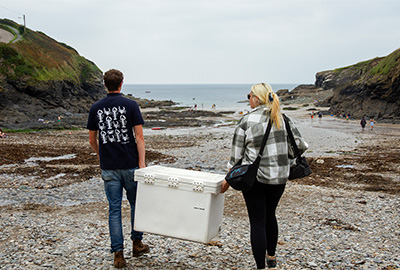
Ready For Release
Releasing Baby Lobsters At Port Gaverne
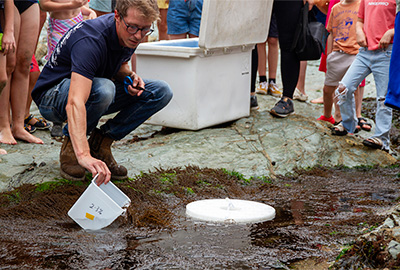
Lead Technician Chris Weston Preparing To Set Little Lobsters Free
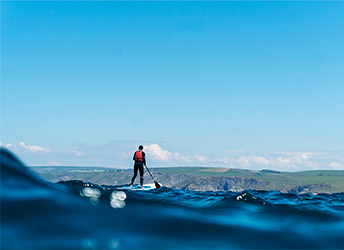
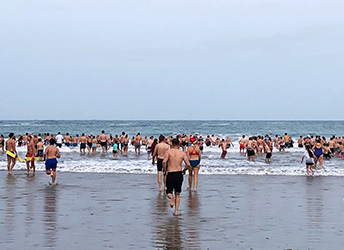
Last Thursday, 502 baby lobsters were released at Port Gaverne. We had been hoping to collaborate with the team from The National Lobster Hatchery to do a special release session by stand-up paddleboard, but because they didn’t know how many lobsters they would have to release until a day or two before, instead they opted to do a beach-release into the rock pools. We had a really good crowd for them, and with low tide at 12.30 right between our morning and afternoon sessions, our clients and team were also able to take part. Lead Technician Chris Weston told the crowd about the work that they do and the lifecycle of lobsters at the water’s edge, before taking several large white circular plastic trays out of a big cool box. These trays were divided into compartments, with an individual little lobster in each one. Baby lobsters are feisty little things and will attack and eat their siblings given half a chance, so these compartmentalised trays keep them separated and safe!
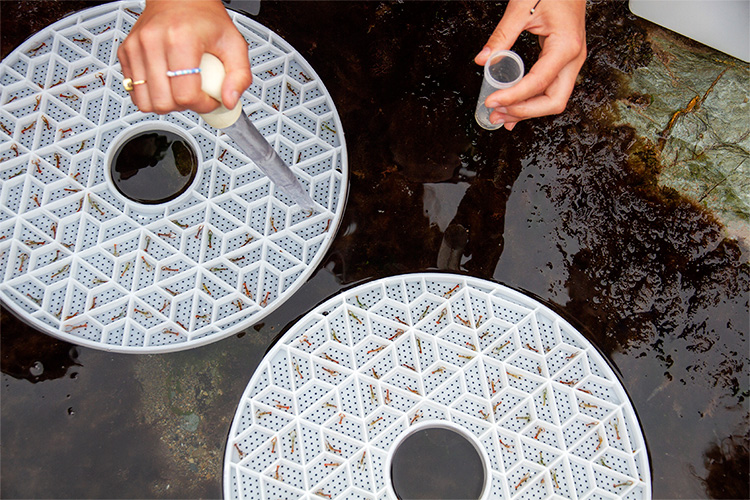
The Turkey Baster Transfer!
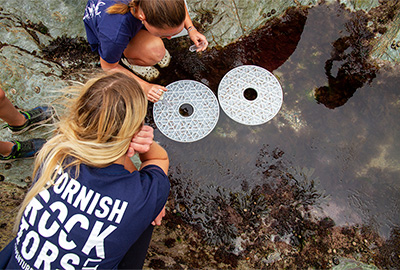
An Educational Lunchbreak For Us
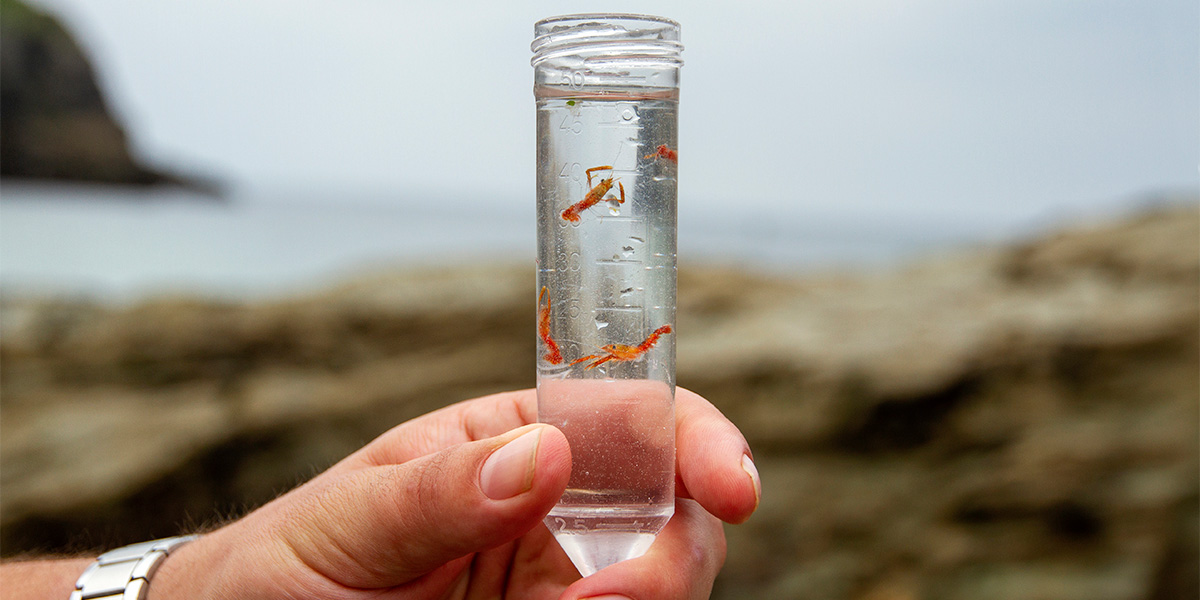
Breaking into two groups on either side of the cove, the team from the Hatchery used turkey basters to pick up individual lobsters and put them in test tubes or cups for members of the public to release into the rock pools. We all released some, with paddlesport guide Glen using his Cornish Rock Tors tea mug to hold several little lobsters as he carried them off to their new rock pool home. Once released the lobsters, each about 2cm long, are incredibly well camouflaged against the sand and seaweed. It will take 5 to 7 years for them to reach adulthood, moulting their shells several times as they grow. Every year, The National Lobster Hatchery raise and release around 50,000 juveniles back into the ocean – this release representing just 1% of that effort!
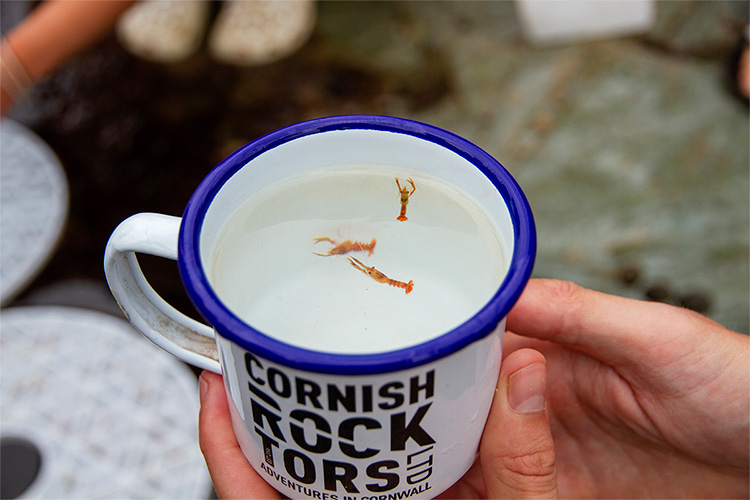
Multi-Purpose Mugs
We hope that with this release the population of lobster along the stretch of coastline that we live and work along will contribute to a rich and resilient marine ecosystem for years to come, and we look forward to working with Chris, Molly, Nicola and the team from Padstow again in the future. All being well, next time we’ll be able to take them out on the water and spread some little lobsters in some of the inaccessible coves along the coast.
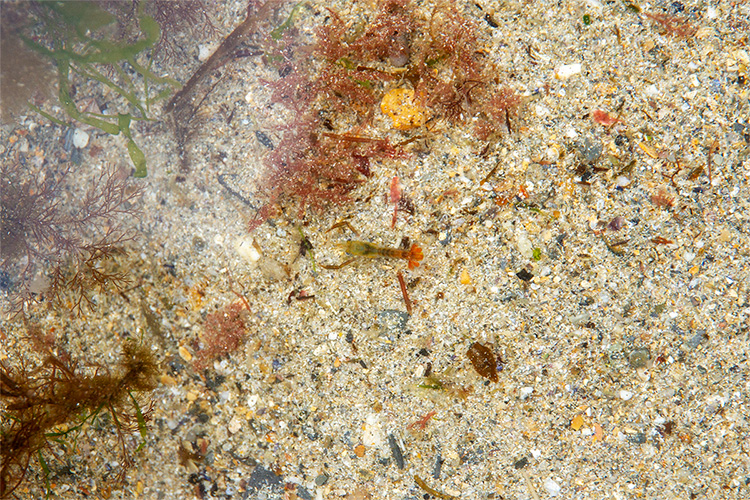
Well Camouflaged
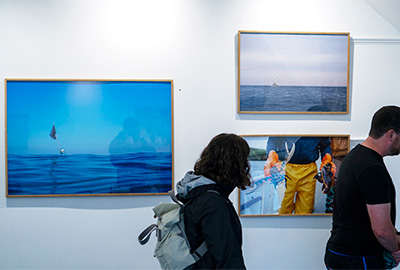
Mat’s Sea Flags Exhibition At The National Lobster Hatchery Padstow
If you’d like to learn more about the lives of lobsters and see the incredible process and technology in action, then (once you’ve been out for a session or two with us, of course) head across the estuary to Padstow and visit The National Lobster Hatchery on South Quay at the end of The Camel Trail. The current exhibition in their upstairs gallery space is Sea Flags by our very own photographer Mat Arney, so be sure to head up and check that out too!