Tag:
Environment
-
The UK’s Marine Heatwave
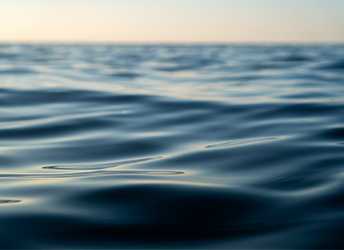
It may not feel it when you jump into the sea, but for the past two years the ocean around Cornwall has been experiencing an almost continual marine heatwave. So, what is a marine heatwave and what impact is it having?
-
- News
- |
Cornish Rock Tors Carbon Neutral and Ocean Positive 2024
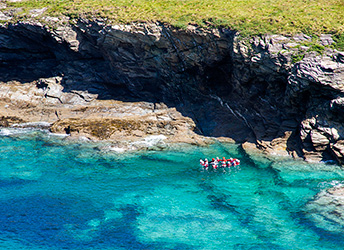
We care deeply about our ocean playground and Planet Ocean, and are committed to doing everything we can as a business to fight climate change. Since 2021, we’ve been measuring and mitigating our carbon emissions, while also giving back to the environment that supports us.
-
Supporting Seabirds
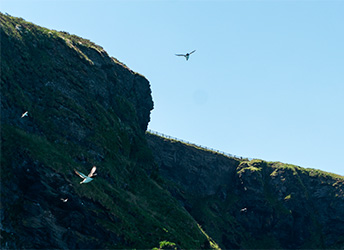
In autumn 2023 the most recent State of Nature Report was published, detailing the current status of the UK’s biodiversity, including on our coasts and in our seas.
-
- News
- |
Making Cornish Rock Tors’ 2023 Carbon Neutral & Ocean Positive
For the third year running we have just measured and more than offset the carbon footprint of Cornish Rock Tors’ operations last year.
That means that not only have we negated the carbon emissions that we were responsible for in 2023, but that we’ve gone beyond to make sure that us being in business last year actually had a positive impact on our planet.
-
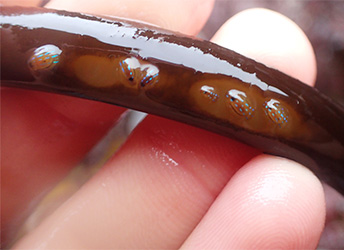
Fact File: Blue-Rayed Limpet (Patella pellucida)
Most beach-goers are familiar with limpets – the round, ridged, conical grey or beige shells that are stuck all over the rocks as the tide goes out. But not many people know about or ever see their beautiful little relative, the blue-rayed limpet.
-
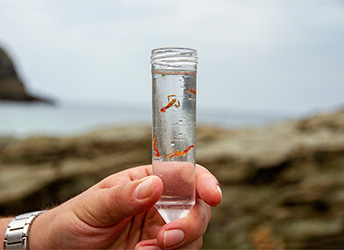
Lobster Conservation In Action At Port Gaverne
Releasing Baby Lobsters at Port Gaverne with The National Lobster Hatchery
On Thursday August 17th 2023 our friends from The National Lobster Hatchery in nearby Padstow joined us here at Port Gaverne to release 502 baby lobsters back into the wild.
-
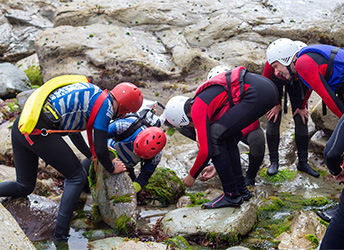
National Marine Week 2023
The Wildlife Trust’s National Marine Week (fortnight!) is back for 2023, spread across sixteen days between Saturday July 22nd and Sunday August 6th to optimise tide times for activities around the country.
-
- Stories
- |

The Mystery of The Port Gaverne Golf Balls
Almost every time that we’ve taken a guided sea kayaking or stand-up paddle board group around to Cartway Cove over the last few years, we’ve found at least one golf ball. But why? And where have they come from?
-
- News
- |
Cornish Rock Tors Carbon Neutral and Ocean Positive in 2022
This time last year, for the first time, we measured and offset Cornish Rock Tors’ carbon footprint for the previous season (2021). It wasn’t a one off action, because the climate and ecological crisis isn’t getting any better, and we’ve just done the same again for our 2022 season – measuring and offsetting our carbon footprint and then making an equivalent donation to a marine environment charity working to restore blue carbon habitats, making Cornish Rock Tors a regenerative business.
-
Fact File: Northern Gannet (Morus bassanus)
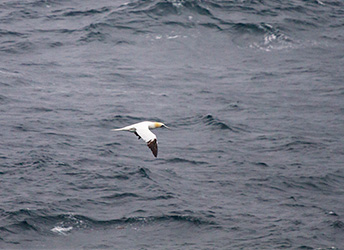
The northern gannet is the largest seabird in the North Atlantic, measuring up to a metre long and with a wingspan of between 165-185com (six feet!) and they’re shaped like a bright white missile. They are beautiful sea birds, white with a yellow head and black wing tips (although juveniles are brown and black), that are endemic to the North Atlantic and are found all around the coast of the UK between January and the end of August before migrating south to the west coast of Africa for Autumn and the start of winter.
-
Fact File: Seabirds With Avian Flu
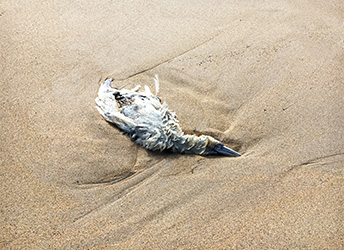
In recent weeks bird flu has reached Cornish shores and it’s devastating effects are being seen as dead seabirds are being washed ashore in Cornwall.
Sadly, we’ve already started to see evidence of this avian pandemic on the stretch of North Cornish coast around our base at Port Gaverne, and the issue is so important that we wanted to share information and best practice.
-
Fact File: Compass Jellyfish (Chrysaora hysoscella)
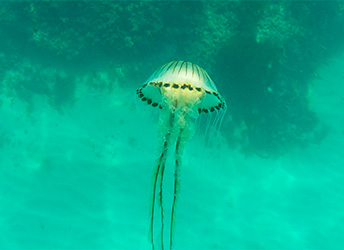
This summer we’ve seen a fair few compass jellyfish floating about. Lots of customers and visitors to Port Gaverne have been asking us about them, so it’s about time they had their own Fact File article!
-
About Our Accreditations
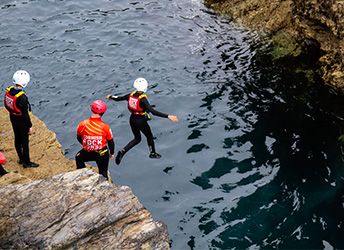
We’ve collected quite a few accreditations and certifications over the seventeen years that we’ve been sharing adventures on the Cornish coast. You’ll see all of the icons and badges at the bottom of our posters and leaflets, but what are they, and what do they mean?
-
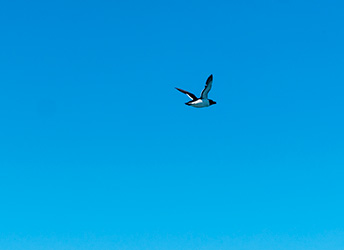
Fact File: Razorbills (Alca torda)
Between March and the end of July, the high sea cliffs around Port Gaverne are a noisy riot of nesting seabirds. Amongst our favourites are the stocky little black and white razorbills.
-

World Refill Day 2022
June 16th is World Refill Day, and whilst every day’s an awareness day for something, this global campaign to prevent plastic pollution and help people live with less waste is close to our hearts because of the obvious impact that single use plastic packaging has on the ocean.
-
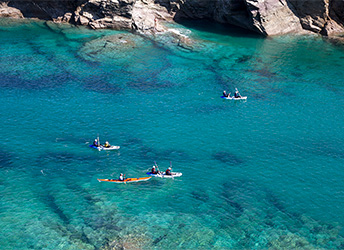
Why The Sea Can Be So Clear in Cornwall in Spring
April is often a month when the seas around Cornwall are crystal clear. But why is that?
-
- News
- |
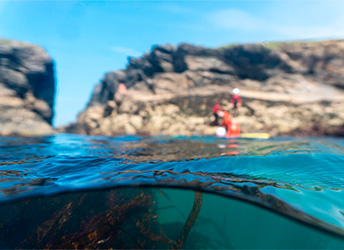
Cornish Rock Tors Carbon Neutral And Beyond 2021
The climate crisis is real, and urgent action is required at every level. That’s why we decided at the end of our 2021 season to assess and measure our carbon footprint for the year, and become a carbon neutral and regenerative business.
-
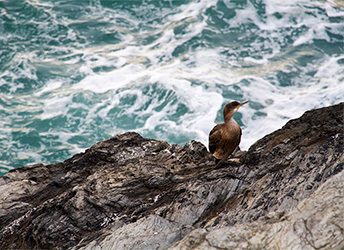
What You Might See, By The Sea
“The sea, once it casts its spell, holds one in its net of wonder forever.”
– Jacques Cousteau
-
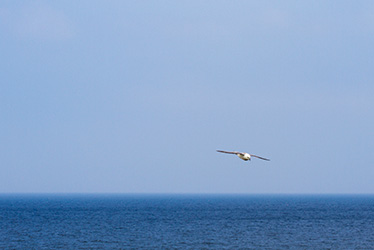
Fact File: Fulmar (Fulmarus glacialis)
The high cliffs just north of the cove here at Port Gaverne, where many of our favourite coasteering features are located, are also a popular breeding site for northern fulmars. During the summer months you can often see these beautiful birds soaring at high speed in mesmerising patterns on the updrafts in front of the cliffs.
-
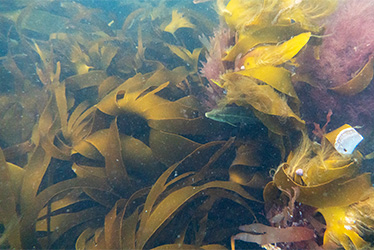
Seaweeds of Cornwall
We often say during the briefing at the start of a coasteering session “if it looks green and slippery, red and slippery, or brown and slippery, then it’s probably slippery – so don’t step on it!”
-
Ocean Themed Home Schooling Resources
Home schooling is hard, and so is being away from the ocean if you don’t live close to the coast. Thankfully over the course of the last 10 months various organisations have created educational resources or entire schemes of work based around the ocean.
-
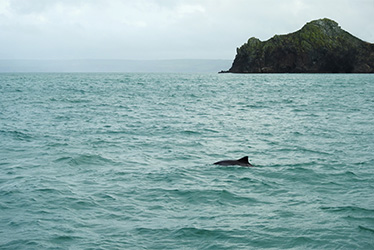
Fact File: Harbour Porpoise (Phocoena phocoena)
Harbour porpoise are small, shy, cetaceans (the group of aquatic mammals that covers whales, dolphins and porpoises) that we sometimes see around the coast of Cornwall.
-
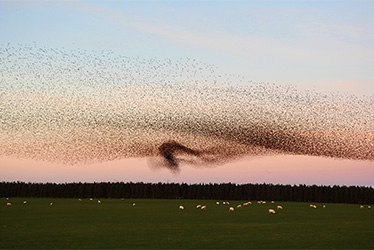
Starling Murmurations Over The Moor
Over the winter months there are spellbinding starling murmurations over the moors of North Cornwall, as thousands of birds swoop and swirl before settling to roost for the night.
-
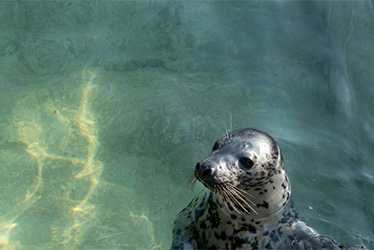
Fact File: Grey Seal (Halichoerus grypus)
The coast of Cornwall is an incredibly rich marine ecosystem and habitat, and one of the species that calls it home is the endangered grey seal.
-
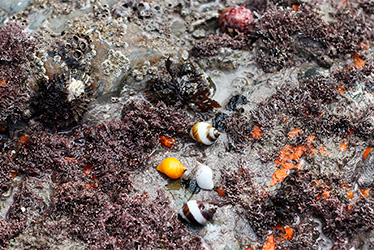
The World Within Rockpools
“It is advisable to look from the tide pools to the stars and then back to the tide pool again.”
– John Steinbeck
-
- News
- |

Plastic Free Champion
We’re proud to announce that Cornish Rock Tors is now a single-use plastic free business. Over the winter months we went through Surfers Against Sewage’s Plastic Free Champion certification, and we received approval and our nice wooden plaque at the end of winter (just before lockdown hit).
-
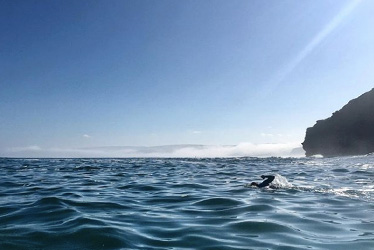
Fact File: Sea Mist
During spring and early summer we sometimes experience sea mist along the coast of Cornwall. Just half a mile inland there can be beautiful blue skies and sunshine first thing in the morning, whilst at sea level on the beach there is thick fog.
-
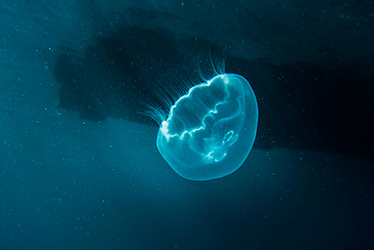
Fact File: Moon Jellyfish (Aurelia aurita)
If you’ve been out with us over the summer months, be it coasteering, sea kayaking or stand-up paddleboarding, then the chances are that you may have come across one of these beauties: a moon jellyfish.
-
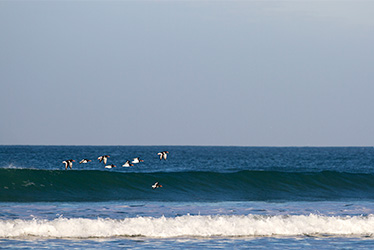
Autumn Bird Watching in Cornwall
Autumn, and October in particular, is a busy time for travel in Cornwall. You may think that with the end of the summer holidays, most of the visitors would have headed home however it’s not the case. Many of the humans may have, but they get replaced by flocks of feathered visitors on their autumn migration.
-
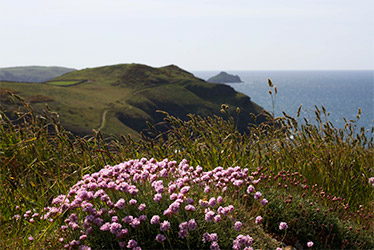
A Guide to Cornish Coastal Wildflowers
From May to October the Cornish coast is carpeted with a variety of colourful wildflowers, and in the month of June in particular, Cornwall is in bloom.