Fact File: Seabirds With Avian Flu
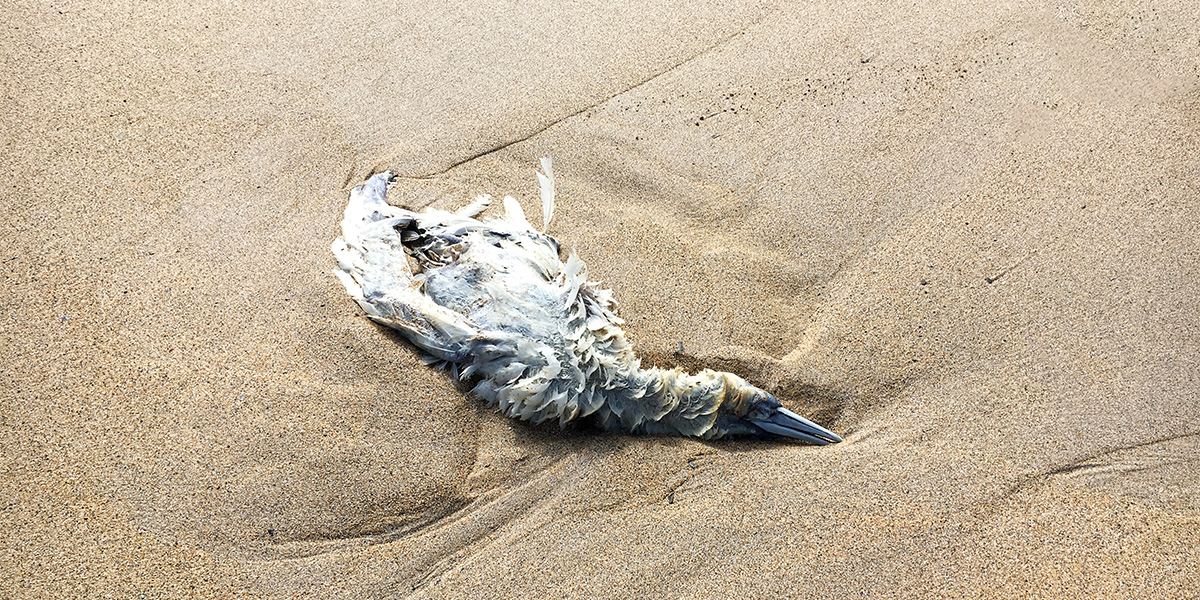
In recent weeks bird flu has reached Cornish shores and it’s devastating effects are being seen as dead seabirds are being washed ashore in Cornwall.
Sadly, we’ve already started to see evidence of this avian pandemic on the stretch of North Cornish coast around our base at Port Gaverne, and the issue is so important that we wanted to share information and best practice.
This year, an avian (bird) flu pandemic is having a tragic impact on seabirds around the coasts of Britain. A new strain of H5N1 avian influenza has been spreading around the world, and it arrived in the seabird colonies of the Scottish and North East English coasts earlier this summer. Over the last few weeks cases have been discovered in the south west, notably in the west of Cornwall, with distressing cases of gannets and other seabirds washing up or dying on beaches and even on some streets around Newlyn and Penzance.
An avian influenza prevention zone has declared in south-west England and bird and poultry keepers in Devon, Cornwall and parts of Somerset must now follow strict biosecurity measures to help protect flocks and mitigate the risk of further outbreaks, or transmission to wild birds.
“Bird flu is primarily a disease of birds and the risk to people’s health is low. But that’s not to say we shouldn’t be doing everything we can to stop it spreading so that risk becomes even lower. As well as not touching them, we would also strongly urge people not to feed wild birds at their local ponds, lakes and rivers as large gatherings of birds make transmission of the virus more likely.”
– Brian O’Neill, consultant in public health at Cornwall Council
Why Are Seabirds At Risk From Bird Flu?
It is estimated that The British Isles are home to around 8 million seabirds, including two-thirds of all northern gannets and great skuas, and 90% of Manx shearwaters, making events such as this outbreak an international conservation crisis. Seabirds tend to nest in close proximity on cliffs during the breeding season through the summer months, meaning that disease can spread quickly. In addition, sea birds are slow to mature and don’t produce many eggs or young each year, so populations are slow to recover from events such as this.
What To Do If You Find A Dead Seabird
- The risk to public health is low but if you find a sick or dead wild bird, don’t touch it and please report it to Defra on 03459 33 55 77
- If it’s on council land, please let them know so they can remove it. You can report it here and pinpoint the location: www.cornwall.gov.uk/rubbish-recycling-and-waste/street-cleaning/dead-animals/ There’s an interactive map so you can see if it’s on council land.
- If the dead bird is on private land, such as a National Trust beach, please report it to the landowner.
- If you find a dead bird on your property, if Defra is unable to remove it, please follow Defra’s guidance on how to safely dispose of it found here: www.gov.uk/guidance/avian-influenza-bird-flu

Cornwall Council Avian Flu Advice
We love the noise and theatre of the seabird colonies on the cliffs around Port Gaverne, and to think that they could be a bit quieter next year is tragic, not to mention how sad it is to see dead or dying birds on our coasts – particularly species such as the beautiful gannets that rarely come close to shore. Here’s hoping that this latest wave of avian influenza ends soon, and that populations can rebound. Nature needs all the help that it can get, right now.