Category:
Fact File
-
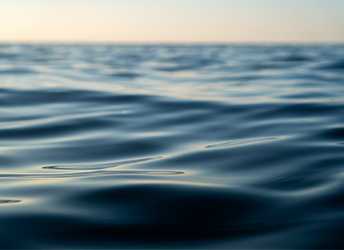
The UK’s Marine Heatwave
It may not feel it when you jump into the sea, but for the past two years the ocean around Cornwall has been experiencing an almost continual marine heatwave. So, what is a marine heatwave and what impact is it having?
-

Fact File: Barrel Jellyfish (Rhizostoma octopus)
Barrel jellyfish (Rhizostoma octopus) are the largest species of jellyfish found in British waters, with a diameter of up to 80 cm – more than most people could get their arms around.
-
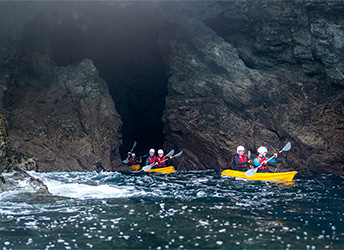
Sea Caves in North Cornwall
The coast of North Cornwall is known for its cliffs and beaches, and along those cliffs are countless sea caves.
-
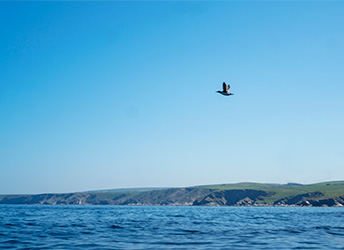
Fact File: Guillemots (Uria aalge)
Peak seabird season around Port Gaverne is between March and the end of July, as birds that usually spend their lives at sea build a nest on the steep cliffs for the few months of breeding season. One of the species that nests in tightly packed colonies on the cliffs north of us here are the elegant guillemots.
-
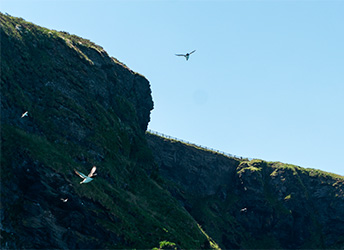
Supporting Seabirds
In autumn 2023 the most recent State of Nature Report was published, detailing the current status of the UK’s biodiversity, including on our coasts and in our seas.
-
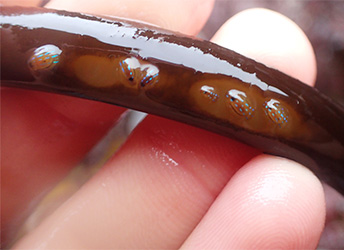
Fact File: Blue-Rayed Limpet (Patella pellucida)
Most beach-goers are familiar with limpets – the round, ridged, conical grey or beige shells that are stuck all over the rocks as the tide goes out. But not many people know about or ever see their beautiful little relative, the blue-rayed limpet.
-
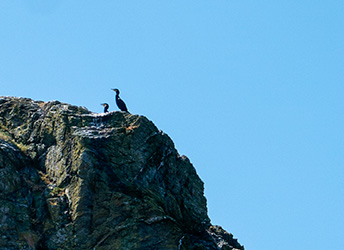
Is It A Cormorant Or A Shag?
Cormorants and shags are both species of the cormorant family found here on the coast of Cornwall. Both are excellent underwater hunters, and unless you see a cormorant stood next to a shag and are able to do a direct comparison, it is often really difficult to tell them apart, especially from a distance. So what do they look like, and how do you tell what you are looking at?
-
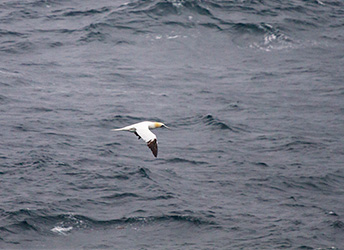
Fact File: Northern Gannet (Morus bassanus)
The northern gannet is the largest seabird in the North Atlantic, measuring up to a metre long and with a wingspan of between 165-185com (six feet!) and they’re shaped like a bright white missile. They are beautiful sea birds, white with a yellow head and black wing tips (although juveniles are brown and black), that are endemic to the North Atlantic and are found all around the coast of the UK between January and the end of August before migrating south to the west coast of Africa for Autumn and the start of winter.
-
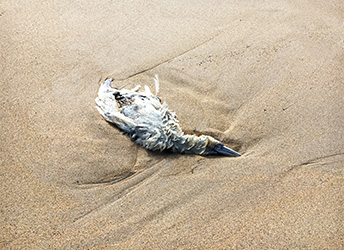
Fact File: Seabirds With Avian Flu
In recent weeks bird flu has reached Cornish shores and it’s devastating effects are being seen as dead seabirds are being washed ashore in Cornwall.
Sadly, we’ve already started to see evidence of this avian pandemic on the stretch of North Cornish coast around our base at Port Gaverne, and the issue is so important that we wanted to share information and best practice.
-
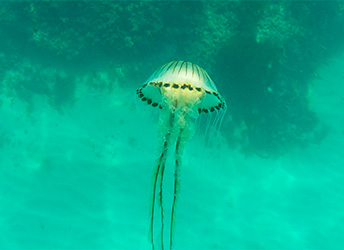
Fact File: Compass Jellyfish (Chrysaora hysoscella)
This summer we’ve seen a fair few compass jellyfish floating about. Lots of customers and visitors to Port Gaverne have been asking us about them, so it’s about time they had their own Fact File article!
-
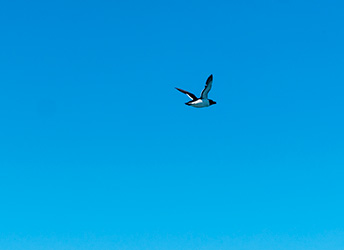
Fact File: Razorbills (Alca torda)
Between March and the end of July, the high sea cliffs around Port Gaverne are a noisy riot of nesting seabirds. Amongst our favourites are the stocky little black and white razorbills.
-
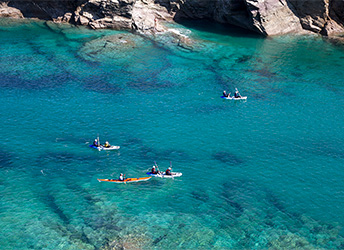
Why The Sea Can Be So Clear in Cornwall in Spring
April is often a month when the seas around Cornwall are crystal clear. But why is that?
-
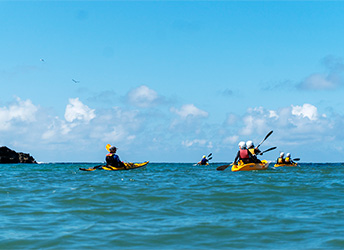
A Guide To Cloud Spotting At The Coast
Here at Cornish Rock Tors our days are often directed by the weather conditions.
-
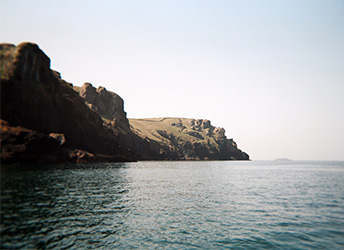
For the Fallen
“They shall not grow old, as we that are left grow old;
Age shall not weary them, nor the years condemn.
At the going down of the sun and in the morning
We will remember them.”
-
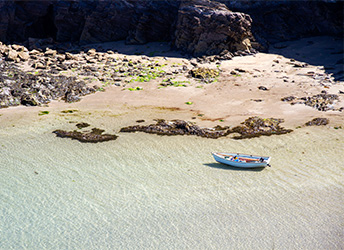
How Do Tides Work?
We get asked about tides a lot. Is the tide in or out? When will it be in/out? Is it the same time each day? The UK has a really large tidal range, so here on the coast of Cornwall the difference between high and low water over the course of a day is obvious to even the most unobservant visitor.
-
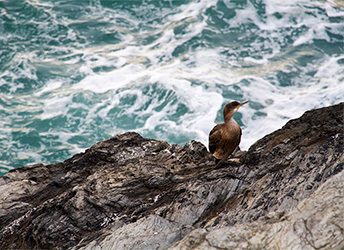
What You Might See, By The Sea
“The sea, once it casts its spell, holds one in its net of wonder forever.”
– Jacques Cousteau
-
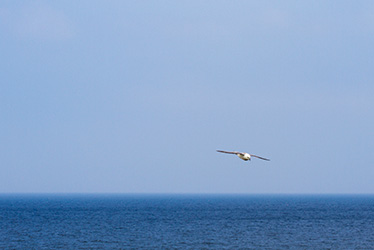
Fact File: Fulmar (Fulmarus glacialis)
The high cliffs just north of the cove here at Port Gaverne, where many of our favourite coasteering features are located, are also a popular breeding site for northern fulmars. During the summer months you can often see these beautiful birds soaring at high speed in mesmerising patterns on the updrafts in front of the cliffs.
-
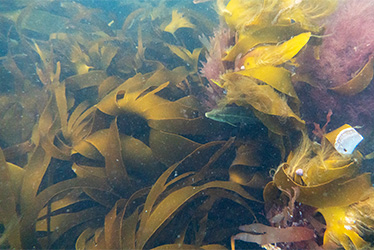
Seaweeds of Cornwall
We often say during the briefing at the start of a coasteering session “if it looks green and slippery, red and slippery, or brown and slippery, then it’s probably slippery – so don’t step on it!”
-
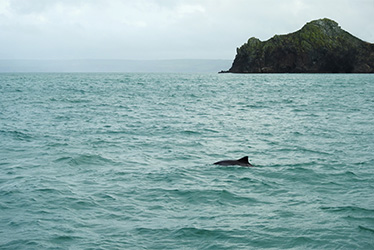
Fact File: Harbour Porpoise (Phocoena phocoena)
Harbour porpoise are small, shy, cetaceans (the group of aquatic mammals that covers whales, dolphins and porpoises) that we sometimes see around the coast of Cornwall.
-
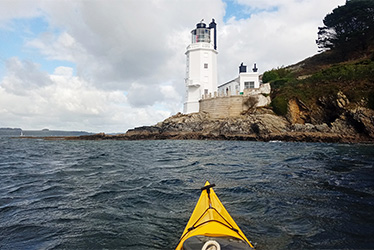
Fact File: St Anthony Lighthouse
St Anthony Lighthouse on the South Coast is one of Cornwall’s most well-known lighthouses, and one that we enjoy paddling past when we run advanced sea kayaking trips along the coast of the Roseland Peninsula.
-
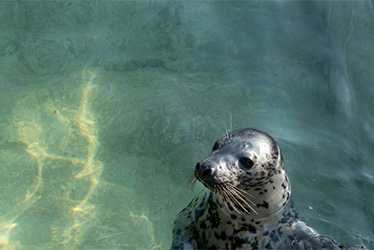
Fact File: Grey Seal (Halichoerus grypus)
The coast of Cornwall is an incredibly rich marine ecosystem and habitat, and one of the species that calls it home is the endangered grey seal.
-
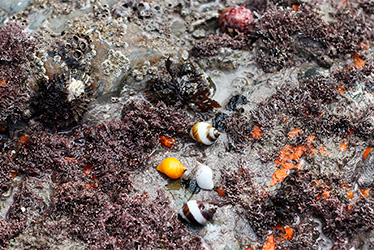
The World Within Rockpools
“It is advisable to look from the tide pools to the stars and then back to the tide pool again.”
– John Steinbeck
-
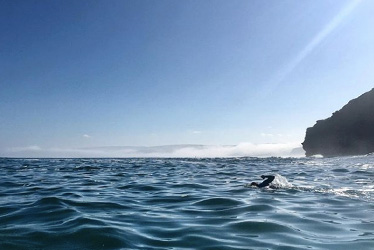
Fact File: Sea Mist
During spring and early summer we sometimes experience sea mist along the coast of Cornwall. Just half a mile inland there can be beautiful blue skies and sunshine first thing in the morning, whilst at sea level on the beach there is thick fog.
-
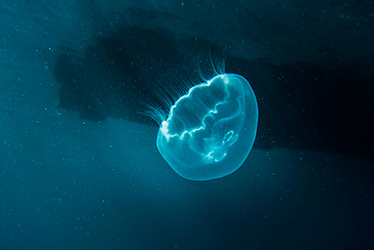
Fact File: Moon Jellyfish (Aurelia aurita)
If you’ve been out with us over the summer months, be it coasteering, sea kayaking or stand-up paddleboarding, then the chances are that you may have come across one of these beauties: a moon jellyfish.
-
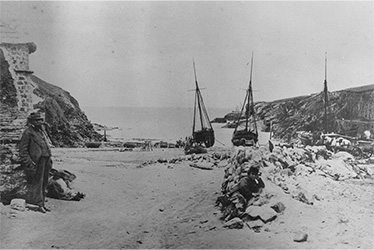
A Short History of Port Gaverne
Cornish Rock Tors is based in Port Gaverne, a small fishing hamlet situated in an Area of Outstanding Natural Beauty and a Heritage Coast Area. We run our activities along beautiful and unspoiled stretches of the wild Cornish coast, but our centre of operations is in an equally beautiful, historic, and interesting setting.
-
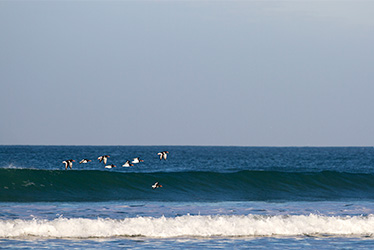
Autumn Bird Watching in Cornwall
Autumn, and October in particular, is a busy time for travel in Cornwall. You may think that with the end of the summer holidays, most of the visitors would have headed home however it’s not the case. Many of the humans may have, but they get replaced by flocks of feathered visitors on their autumn migration.
-

Fact File: Ocean Sunfish (Mola mola)
The Ocean sunfish (the amazingly named Mola mola) is one of the heaviest known bony fishes in the world, weighing in anywhere between 250kg to a ton! We were lucky enough to have one pay us a visit recently.
-
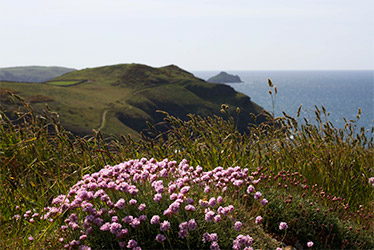
A Guide to Cornish Coastal Wildflowers
From May to October the Cornish coast is carpeted with a variety of colourful wildflowers, and in the month of June in particular, Cornwall is in bloom.
-
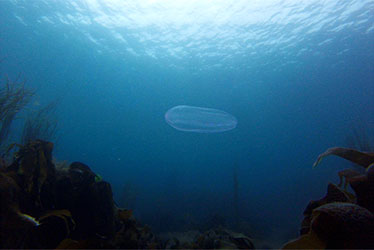
Fact File: Comb Jelly (Beroe cucumis)
With the incredible clear and calm weather that we’ve had here in Cornwall through June and the start of July, it’s been really easy to spot some of the marine life that call our stretch of coast home.