Tag:
Fact File
-
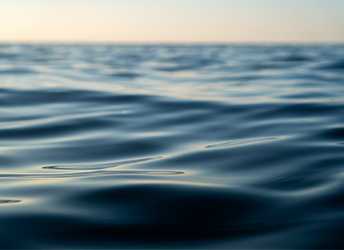
The UK’s Marine Heatwave
It may not feel it when you jump into the sea, but for the past two years the ocean around Cornwall has been experiencing an almost continual marine heatwave. So, what is a marine heatwave and what impact is it having?
-
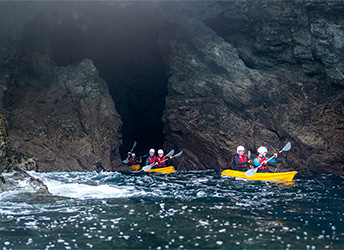
Sea Caves in North Cornwall
The coast of North Cornwall is known for its cliffs and beaches, and along those cliffs are countless sea caves.
-
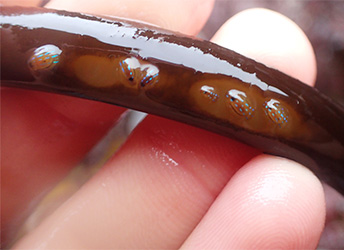
Fact File: Blue-Rayed Limpet (Patella pellucida)
Most beach-goers are familiar with limpets – the round, ridged, conical grey or beige shells that are stuck all over the rocks as the tide goes out. But not many people know about or ever see their beautiful little relative, the blue-rayed limpet.
-
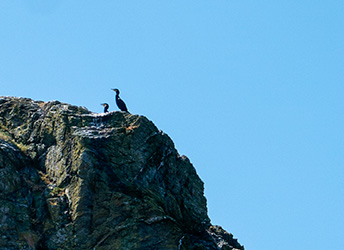
Is It A Cormorant Or A Shag?
Cormorants and shags are both species of the cormorant family found here on the coast of Cornwall. Both are excellent underwater hunters, and unless you see a cormorant stood next to a shag and are able to do a direct comparison, it is often really difficult to tell them apart, especially from a distance. So what do they look like, and how do you tell what you are looking at?
-
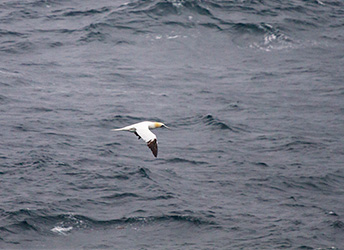
Fact File: Northern Gannet (Morus bassanus)
The northern gannet is the largest seabird in the North Atlantic, measuring up to a metre long and with a wingspan of between 165-185com (six feet!) and they’re shaped like a bright white missile. They are beautiful sea birds, white with a yellow head and black wing tips (although juveniles are brown and black), that are endemic to the North Atlantic and are found all around the coast of the UK between January and the end of August before migrating south to the west coast of Africa for Autumn and the start of winter.
-
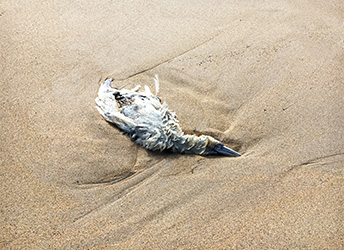
Fact File: Seabirds With Avian Flu
In recent weeks bird flu has reached Cornish shores and it’s devastating effects are being seen as dead seabirds are being washed ashore in Cornwall.
Sadly, we’ve already started to see evidence of this avian pandemic on the stretch of North Cornish coast around our base at Port Gaverne, and the issue is so important that we wanted to share information and best practice.
-
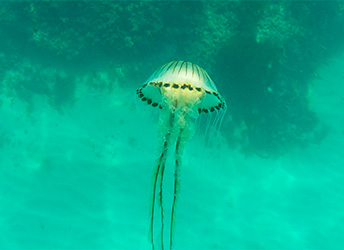
Fact File: Compass Jellyfish (Chrysaora hysoscella)
This summer we’ve seen a fair few compass jellyfish floating about. Lots of customers and visitors to Port Gaverne have been asking us about them, so it’s about time they had their own Fact File article!
-
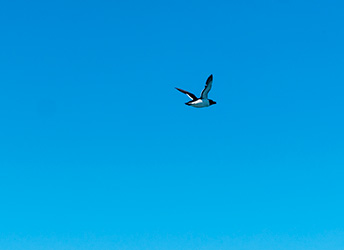
Fact File: Razorbills (Alca torda)
Between March and the end of July, the high sea cliffs around Port Gaverne are a noisy riot of nesting seabirds. Amongst our favourites are the stocky little black and white razorbills.
-
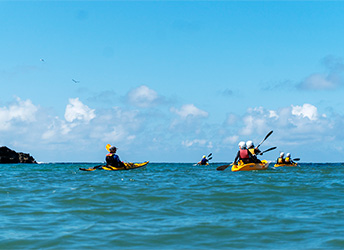
A Guide To Cloud Spotting At The Coast
Here at Cornish Rock Tors our days are often directed by the weather conditions.
-
For the Fallen
“They shall not grow old, as we that are left grow old;
Age shall not weary them, nor the years condemn.
At the going down of the sun and in the morning
We will remember them.”